Rolling Paper Thickness Guide: Thin vs Ultra-Thin vs Standard
How paper weight affects your smoking experience and which to choose
Rolling paper thickness is one of the most important factors affecting your smoking experience, yet it's often overlooked. The weight and thickness of your paper influences burn rate, taste, ease of rolling, and overall satisfaction. This guide explains everything you need to know about custom rolling papers and thickness options.
Understanding Paper Thickness
How Thickness is Measured
GSM (Grams per Square Meter)
The industry standard measurement:
- Lower GSM = thinner paper
- Higher GSM = thicker paper
- Typical range: 10-25 GSM for rolling papers
Common Classifications
| Category | Typical GSM | Description | |----------|-------------|-------------| | Ultra-thin | 10-13 GSM | Barely visible, minimal paper | | Thin | 13-17 GSM | Light, good balance | | Standard | 17-20 GSM | Traditional thickness | | Thick | 20-25 GSM | Heavy, sturdy feel |
What Thickness Affects
Burn Characteristics
- Thinner papers burn slower (less fuel)
- Thicker papers burn faster
- Affects evenness of burn
- Impacts ash quality
Taste Impact
- Less paper = less paper taste
- Ultra-thin papers virtually disappear
- Thick papers have noticeable flavor
- Material matters too (hemp vs rice vs pulp)
Rolling Experience
- Thinner papers require more skill
- Thicker papers are more forgiving
- Texture varies with thickness
- Humidity sensitivity changes
Thin vs Ultra-Thin vs Standard: Detailed Comparison
Ultra-Thin Papers
Characteristics
- Nearly transparent
- 10-13 GSM typically
- Often rice-based
- Premium positioning
Advantages
- Slowest burn rate
- Virtually no paper taste
- Maximum flavor from contents
- Connoisseur-preferred
- Less inhaled paper
Disadvantages
- Hardest to roll
- Most fragile
- Humidity sensitive
- Can tear easily
- Requires experience
Best For
- Experienced rollers
- Flavor-focused smokers
- Premium cannabis
- Extended sessions
- Those prioritizing health
Thin Papers
Characteristics
- Slightly translucent
- 13-17 GSM range
- Various materials
- Most popular category
Advantages
- Good burn rate
- Minimal paper taste
- Easier than ultra-thin
- Less fragile
- Balanced performance
Disadvantages
- Not as slow-burning as ultra-thin
- Still requires some skill
- Can be affected by humidity
Best For
- Daily smokers
- Intermediate rollers
- Quality-conscious consumers
- Everyday use
- Most situations
Standard Papers
Characteristics
- Opaque white or natural
- 17-20 GSM
- Often wood pulp or thick hemp
- Traditional style
Advantages
- Easiest to roll
- Most forgiving
- Sturdy construction
- Humidity resistant
- Budget-friendly
Disadvantages
- Faster burn
- Noticeable paper taste
- More paper inhaled
- Can mask flower flavor
Best For
- Beginners learning to roll
- Casual smokers
- Budget considerations
- Outdoor/windy conditions
- Quick rolls
Thick Papers
Characteristics
- Completely opaque
- 20+ GSM
- Usually wood pulp
- Old-school style
Advantages
- Very easy to handle
- Almost impossible to tear
- Works in any conditions
- Cheapest option
Disadvantages
- Fastest burn
- Strong paper taste
- Harsh smoke
- Wastes material
- Health concerns from more paper combustion
Best For
- Absolute beginners
- Windy outdoor conditions
- When nothing else available
- Novelty/oversized rolls
How Material Affects Thickness Impact
Rice Papers
Rice papers are typically ultra-thin:
- Naturally thin material
- Slow burn regardless of GSM
- Slippery texture
- Premium connoisseur choice
Hemp Papers
Hemp spans the thickness range:
- Available thin to standard
- Good balance point around 14-16 GSM
- Natural burn regulators
- Most versatile material
Wood Pulp Papers
Traditionally thicker:
- Usually standard to thick
- Some thin options exist
- Fastest burning material
- Most forgiving for beginners
Thickness Comparison Chart
| Factor | Ultra-Thin | Thin | Standard | Thick | |--------|------------|------|----------|-------| | Burn speed | Slowest | Slow | Medium | Fast | | Paper taste | None | Minimal | Noticeable | Strong | | Rolling ease | Hard | Medium | Easy | Easiest | | Durability | Fragile | Good | Strong | Very strong | | Price | Premium | Mid-range | Budget-mid | Budget | | Health | Best | Good | Okay | Concerning |
Choosing the Right Thickness
Based on Experience Level
Beginner
- Start with standard or thin
- Learn technique first
- Graduate to thinner over time
- Don't get frustrated with ultra-thin
Intermediate
- Thin papers are ideal
- Can try ultra-thin occasionally
- Develop preferences
- Experiment with materials
Expert
- Ultra-thin for best experience
- Technique handles any paper
- Focus on material and brand
- Appreciate subtle differences
Based on Smoking Style
Solo Sessions
- Thinner is better
- No sharing = controlled pace
- Maximize personal enjoyment
- Ultra-thin recommended
Social Smoking
- Thin to standard works well
- Handles being passed around
- More forgiving of varied technique
- Still good experience
On-the-Go
- Thin papers balance performance
- Durable enough for pocket carry
- Handles environmental factors
- Pre-rolled cones are even easier
Based on Material Quality
Premium Cannabis
- Ultra-thin to showcase terpenes
- Don't mask expensive flower
- Slow burn maximizes value
- Let the cannabis shine
Standard Material
- Thin papers work well
- Good balance overall
- No need for ultra-premium papers
- Cost-effective quality
Thickness for Different Products
Rolling Paper Sheets
Available Options
- Ultra-thin rice for connoisseurs
- Thin hemp for daily use
- Standard for accessibility
- Custom thickness available
Pre-Rolled Cones
Thickness Considerations
- Thin papers most popular for cones
- Ultra-thin requires careful handling
- Standard cones for high-volume production
- Machine compatibility matters
Multi-Function Booklets
Common Configurations
- Thin papers with matching tips
- Balanced for everyday use
- Quality construction throughout
How Thickness Affects Business
For Dispensaries
Product Selection
- Offer multiple thickness options
- Educate budtenders on differences
- Match papers to cannabis quality
- Stock thin/ultra-thin for premium
For Pre-Roll Producers
Production Considerations
- Thin papers for quality product
- Consider machine compatibility
- Balance quality and efficiency
- Test burn consistency
For Custom Brands
Positioning Strategy
| Brand Position | Recommended Thickness | |----------------|----------------------| | Premium/luxury | Ultra-thin | | Quality everyday | Thin | | Value-focused | Standard | | Beginner-friendly | Standard |
Custom Thickness Options
MunchMakers offers papers across the thickness spectrum:
Ultra-Thin Options
- Rice papers for connoisseurs
- Premium hemp options
- Best for premium positioning
Thin Options
- Hemp and rice varieties
- Most popular for custom orders
- Excellent balance of quality and ease
Standard Options
- Accessible price points
- Good for beginner markets
- Bulk production friendly
Tips for Working with Different Thicknesses
Rolling Ultra-Thin Papers
Technique Tips
- Use filter tips for structure
- Roll on flat, clean surface
- Handle gently at all times
- Practice with cheaper thin papers first
- Keep papers dry
Getting the Best Burn
All Thicknesses
- Roll evenly without gaps
- Appropriate density (not too tight/loose)
- Light evenly around entire end
- Store properly to maintain quality
Storage by Thickness
Ultra-Thin
- Most sensitive to humidity
- Keep in airtight container
- Use quickly once booklet opened
- Handle with care
Thin
- Standard storage works
- Moderate humidity sensitivity
- Good shelf life
Standard/Thick
- Most forgiving storage
- Resistant to humidity changes
- Long shelf life
Common Questions
Q: Will thinner papers break while rolling?
A: With proper technique, no. Ultra-thin papers require gentler handling but are designed for rolling. Start with thin papers and progress to ultra-thin as your skills develop.
Q: Is thinner always better?
A: For experienced rollers who prioritize taste and slow burn, yes. For beginners or casual smokers, thinner papers may be frustrating. Match thickness to your skill level and priorities.
Q: Can I feel the difference between thin and ultra-thin?
A: Most users can feel the difference when rolling and notice the difference in taste and burn. Ultra-thin papers are noticeably more delicate and provide a cleaner experience.
Q: What thickness is best for pre-rolls?
A: Thin papers (13-17 GSM) offer the best balance for commercial pre-roll production: good burn characteristics, reasonable durability, and quality perception.
Elevate Your Paper Game
Ready to experience the difference thickness makes? MunchMakers offers:
- Multiple thickness options for any preference
- Premium materials in thin and ultra-thin
- Custom branding on your chosen thickness
- Expert guidance on what works best
Request a mockup and explore how custom rolling papers in your ideal thickness can enhance your smoking experience or brand offering.
Ready to Create Your Custom Rolling Papers?
Put your brand in your customers' hands. Get a free mockup in 24 hours.
Related Articles

Unbleached vs Bleached Rolling Papers: Health, Taste, and Environmental Impact
Compare bleached vs unbleached rolling papers across health, taste, and environmental factors. Learn why unbleached papers dominate the modern cannabis market and how to choose for your brand.
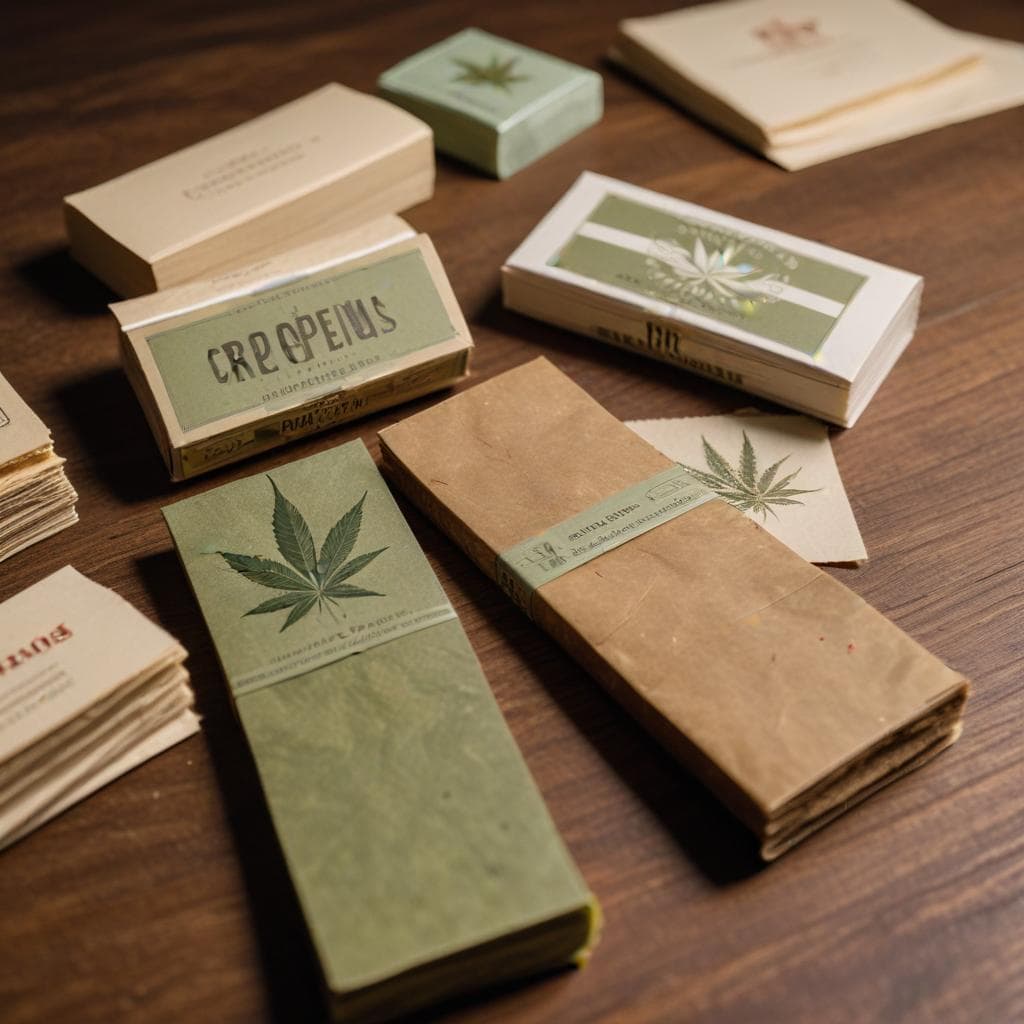
Hemp vs Rice vs Wood Pulp Rolling Papers: Which Should You Choose?
Compare hemp, rice, and wood pulp rolling papers. Learn the pros and cons of each material to find the perfect paper for your smoking preferences.
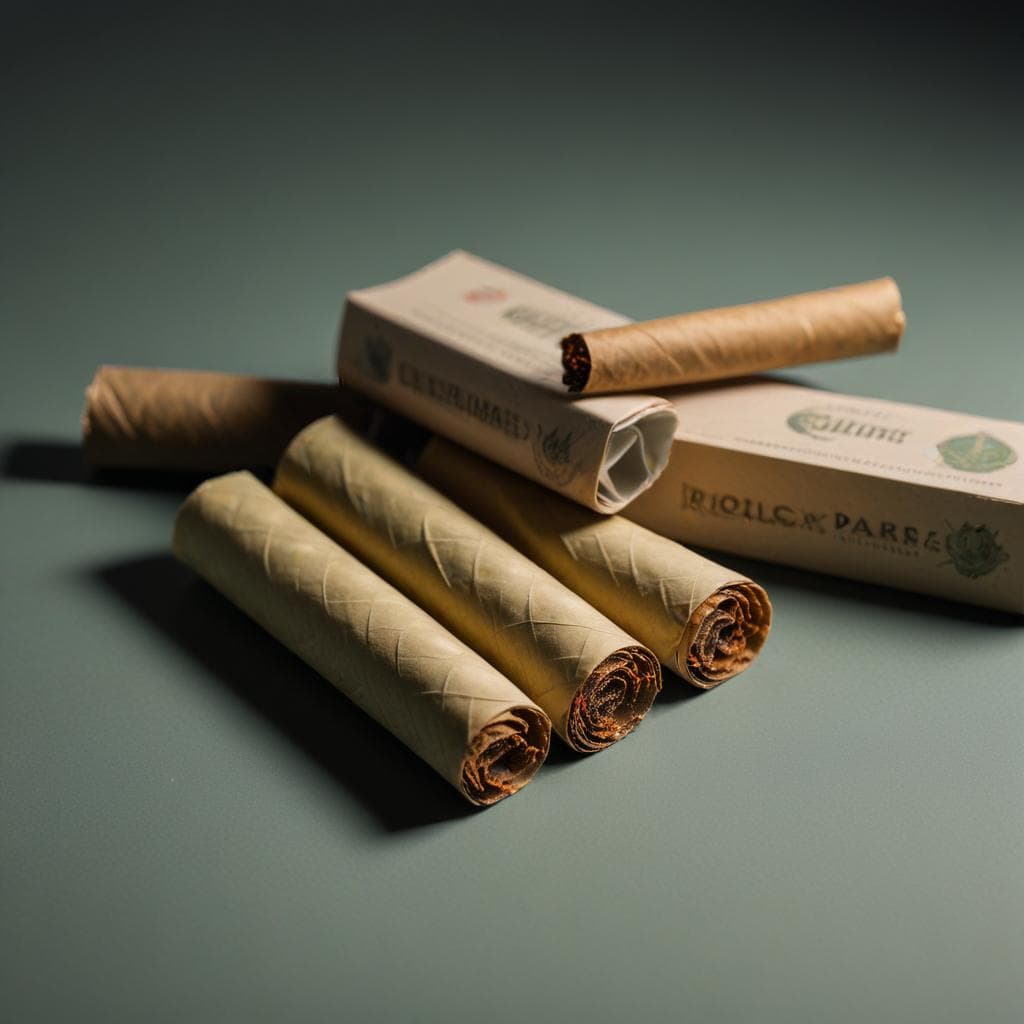
Pre-Rolled Cones vs Rolling Papers: Which Is Right for Your Business?
Compare pre-rolled cones vs rolling papers for your cannabis business. Learn which option offers better consistency, cost-effectiveness, and branding opportunities.